

African braids are more than just a hairstyle; they're a profound source of inspiration. Passed down through generations within African culture, these intricate styles are a vital element of community identity and are celebrated as genuine works of art. Today, an increasing number of Black women are embracing this timeless practice, drawn not only by its stunning aesthetic but also by its rich heritage and the powerful sense of self it conveys.
African braids are diverse and varied, ranging from simple braids to the most creative styles, often incorporating complex patterns accentuated on the scalp or by adding hair extensions. They are excellent alternatives to weaves or wigs. There are different braiding techniques, including free braids, cornrows, braids, box braids, twists, Fulani braids, among others. African braids are also versatile and can be styled in various ways to change hairstyles.
Moreover, African braids are perfect for protecting natural hair against the elements, thereby reducing the risk of damage or breakage. They are protective hairstyles whether you have short or long hair, or kinky or curly hair.
African braids are also ideal for those who wish to add a touch of color to their hairstyle. Hair extensions come in a variety of colors, offering an eye-catching and personalized look to the hairstyle. African braids are also an excellent way to express your creativity or individuality, using various patterns or styles to bring a unique hairstyle to life.
By choosing this hairstyle, you also encourage the transmission of a cultural art from generation to generation, among Black and mixed-race women.
"African braids hold significant meaning in many African cultures."
What is the origin of African braids: a rich and diverse tradition
African braids represent a traditional form of hairstyling practiced in sub-Saharan Africa for several centuries. Created by braiding hair together, they can be made in different ways, depending on the culture and region. Often associated with beauty, strength, and spirituality, African braids are believed to have been created over 5000 years ago.
The oldest archaeological evidence of braids comes from ancient Egypt, where they were worn by both men and women. Braids were also popular in other African cultures, including the Yoruba, Ashanti, and Maasai.
African braids hold significant meaning in many African cultures. They can be used to display age, social status, marital status, ethnic affiliation, religious affiliation, and military rank. They can also be used to protect hair from the elements, keep it clean and well-groomed, and prevent parasite infestation.
Today, African braids are popular worldwide and are worn by people of all races and backgrounds. They are a symbol of the beauty, strength, and diversity of African culture, and their popularity continues to grow.
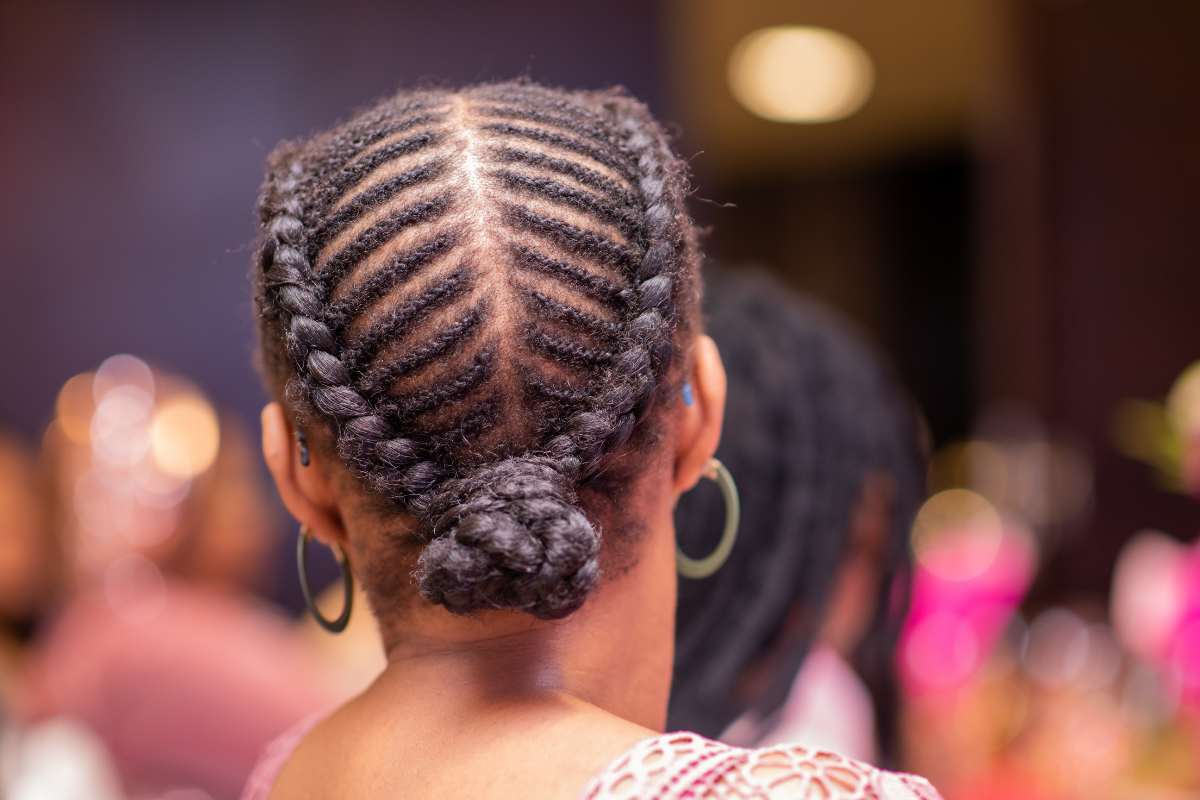
Different types of African braids
Here are some types of African braids you can try:
1 - Braids or Cornrows / Flat Braids or Braided Cornrows
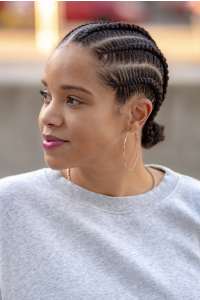
See more African braids
2 - Twists / Flat Twists / Micro Twists / Twists
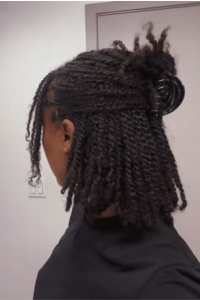
See more twists
3 - Braided ponytail: a new braided style.
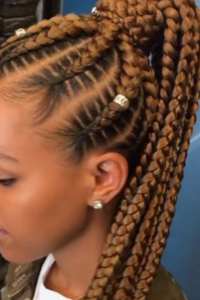
photo: @nisaraye
4 - Crochet braids: one of the most popular hairstyles.
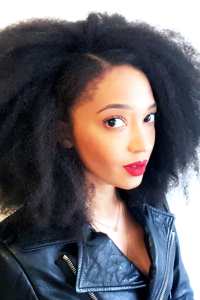
photo: Mercredi.fr
See more crochet braids
5 - Micro braids: a hairstyle that involves braiding hair in very small sections.

Beyoncé
See more braids
6 - Box braids: these are tight braids that are braided into squares. They are a popular hairstyle for Afro hair and can be worn with or without extensions.

See more box braids
7 - Fulani braids: these are voluminous braids that are braided from natural hair or extensions. They originate from northern Nigeria and southern Niger.
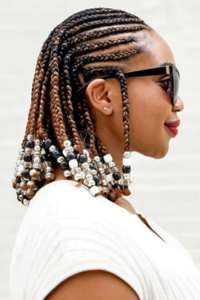
Photo: Runway Stylez
See more Fulani braids
8 - Cornrows: these are tight braids that are braided from natural hair or extensions. They originate from sub-Saharan Africa and are a popular hairstyle for women of all backgrounds.
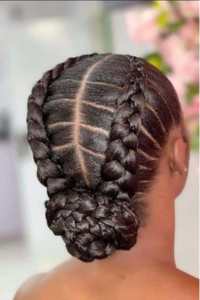
9 - Knotless Braids: these are knotless braids that have a more natural and less tense appearance than classic box braids.
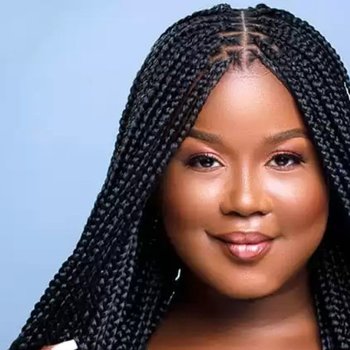
Photo: curlycraze.com
See more knotless braids
10 - Faux locs: these are braids that are braided to resemble dreadlocks. They are a popular hairstyle for women who want to try the dreadlock look without having to dye their hair.
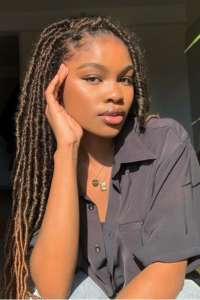
Photo: pinterest
See more faux locs
11 - Braids with beads: these are braids that are decorated with beads. They are an elegant and glamorous hairstyle

Some African braid ideas for children
African braids are not only a beautiful hairstyle for adults, but they also offer a variety of styles for children. Cornrows with accessories like beads or flowers are perfect for children and are a great way to have fun with hairstyling.
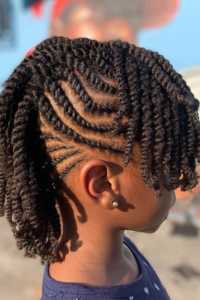
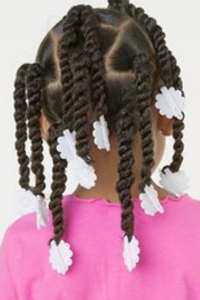
credit: pinterest
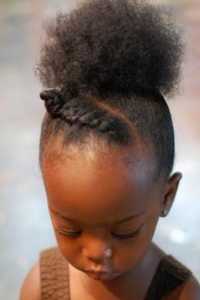
credit: pinterest
Some African braid ideas for men

credit: pexels

credit: pexels
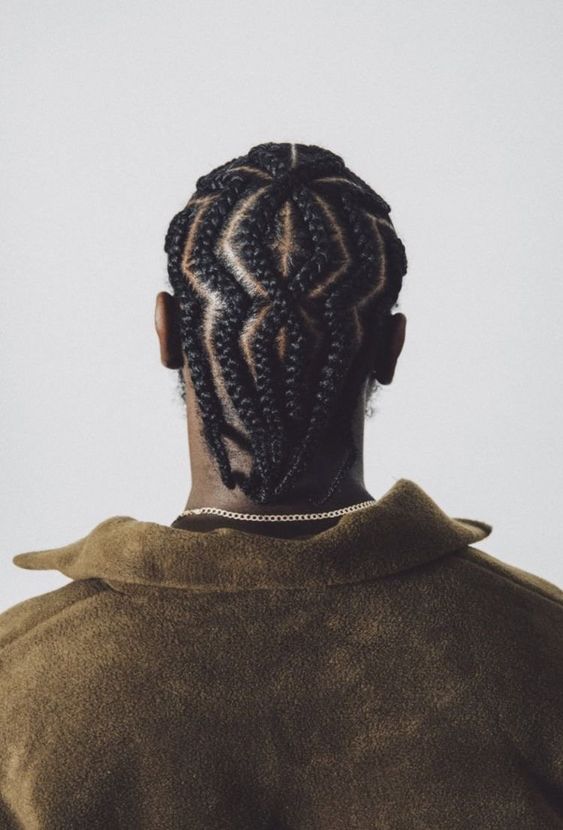
credit: @galactamelanin
Braiding is also popular among men, with many varieties and styles to try. Here are some African braid ideas for men:
What to do before getting African braids?
To avoid damaged and brittle hair, it is essential that your hair is clean. For this, you must provide it with the right hair care. If you have the opportunity, you can go to a hair salon; otherwise, follow the advice below:
1 - If your hair is dry, damaged, colored, or weakened by external aggressions, I advise you to do an oil bath with the vegetable oil of your choice (Argan, Shea, Castor, Jojoba, Sweet Almond...), before or after shampooing, to nourish the scalp, lengths, and ends. The hair fiber will be less stressed during the shampooing step.
2 - Wash your hair with a good shampoo (a gentle or clarifying shampoo depending on residues in your hair, without silicones and sulfates). There are many shampoos on the market today dedicated to kinky hair; opt for products that are as natural as possible.
3 - After shampooing, apply a conditioner or hair mask to damp hair, a good detangler to nourish, hydrate, and repair your lengths. Leave it on for several minutes according to the instructions with a warm towel or under a hair steamer, then rinse.
4 - Dry (Air drying or blow-drying (see point 6))
5 - Detangle your hair with your fingers, with a suitable detangling brush, or a wide-tooth comb.
6 - Some people prefer to blow-dry, stretching their lengths to enjoy their length before styling. This depends on you and the hairstyle you wish to achieve. This step is not mandatory; the only thing is to protect your hair with a heat protectant before blow-drying.
What styling products can I use to create African braids?
There are several natural products you can use to maintain and enhance your African braids. Here are some examples:
Styling and moisturizing cream
It nourishes and moisturizes your hair while styling it. It can be made from shea butter, coconut oil, aloe vera, or other natural ingredients. You can apply it to your braids after washing or between shampoos to refresh them.
Fixing wax
It helps to fix and smooth your braids without weighing them down or drying them out. It can be made from beeswax, castor oil, honey, or other natural ingredients. You can apply it to your braids before or after styling to make them shine.
Strengthening oils to limit breakage
They strengthen and protect your hair against external aggressions. They can be made from olive oil, avocado oil, jojoba oil, or other vegetable oils. You can apply them to your scalp and lengths once a week as an oil bath.
How to make simple braids?
Regardless of the hairstyle, be careful with your hair at the front; do not pull too hard on the roots to avoid traction alopecia, as they are a bit more fragile than the hair at the back.
- Start by dividing your hair into sections. Use a hairbrush or comb to thoroughly detangle your hair and separate it.
- Next, take a small section of hair, then divide it into three equal strands.
- Then, begin braiding your hair by crossing the strands from left to right and from right to left. Once you have finished braiding a section, you can secure the braid with hair ties. (Securing is not mandatory)
- Repeat this process for each section. Braid all your hair until your braid is completely finished.
- You can maintain the shape of the braids by moisturizing and regularly caring for them with specific hair products. Finally, you can accessorize your hairstyle by adding barrettes or other ornaments.
How to make cornrows?
Cornrows are a form of braid that is very similar to regular braids, except that the braid lies flat against the scalp.
After your shampoo and hair care routine, here are the steps to follow to make cornrows:
- Divide your hair into three equal sections.
- Start braiding your hair beginning with the center section.
- Add the side hair sections into the braid by passing them under the center section.
- Continue the braid down to the ends.
- Repeat steps 5 to 8 for the other two hair sections.
- Spray your cornrows with a moisturizing spray to keep them hydrated.
How to make 2-strand twists?
Here are the steps to follow to make twists:
- Divide your hair into two equal sections.
- Start wrapping the hair strands from the left section in a spiral around your index and middle fingers.
- Continue wrapping down to the ends.
- To prevent them from drying out, spray your twists with a moisturizing spray.
How to make braids with extensions?
- To make braids with extensions, follow these steps:
- Divide your hair into three equal sections.
- Slide the end of the extension into the top of the hair section.
- Braid the extension with the hair section by wrapping it around the other strands.
- Repeat steps 2 and 3 for each section.
- Once all the extensions are braided, spray your braids with a moisturizing spray.
"...a poorly maintained protective hairstyle can become a destructive hairstyle if there is no hair care."
How to maintain African braids?
It is important to nourish your African braids, to hydrate them regularly with a leave-in treatment or other moisturizing products, and to use the right techniques to avoid hair breakage and hair loss. You must take care of your hair, even if you have braids; a poorly maintained protective hairstyle can become a destructive hairstyle if there is no hair care. Use protein-rich hair masks to combat breakage and dryness.
Don't forget to seal in moisture with a few drops of oil on your lengths and ends.
Pamper your new growth every day. Massaging your scalp with or without oils can stimulate hair growth.
Additionally, drink plenty of water to keep your scalp hydrated. Use suitable nourishing treatments specifically designed for African braids.
At night, protect your braids with a bonnet or a satin pillowcase.
After removing your braids, make an appointment with your hairstylist if you can for a complete treatment and to trim the ends if necessary.
On Zenaba, we have an announcement section where at-home Afro hairstylists offer their services. Take a look; there might be an expert near you.
What accessories can I add to African braids?
Accessories are an excellent way to personalize and add more style to your African braids. You can add barrettes, beads, or even flowers to make them more glamorous.
There are many accessories that can embellish and personalize your African braids. Here are some of the most popular options:
Beads: Beads are a great way to add color and texture to your braids. You can insert them during braiding or add them later.
Headbands: Headbands are elegant and practical for keeping your braids in place while adding a touch of style. Opt for a plain or patterned headband.
Scarf: A scarf is ideal for protecting your braids from heat and dust. You can tie it in different ways to create varied looks.
Hair jewelry: Hair jewelry is an elegant way to add a touch of glamour to your braids. Opt for hair earrings, bracelets, or necklaces.
By adding accessories, you can enhance and personalize your braids even more beautifully. When choosing accessories for your African braids, it is important to consider the length and texture of your hair. Also, choose accessories made from materials that are safe for your hair.
Here are some additional tips for choosing and using accessories with your African braids:
- Select accessories of impeccable quality.
- Avoid overly tight accessories that could damage your hair.
- Remove accessories before going to bed.
- Remember to regularly clean your accessories to keep them in good condition.
This way, you can fully enjoy your African braids while preserving their beauty and health.
The 5 benefits of wearing African braids
- They are easy to maintain. African braids do not require much maintenance and can be worn for weeks without needing to be readjusted or replaced.
- They offer protection for your hair. Braids protect your hair from damage caused by heat and chemicals, making them an excellent way to maintain the health of your scalp and hair.
- They are versatile. African braids can be worn in different ways to create a unique look that suits you. You can add accessories to personalize your look and give it even more sparkle.
- They are easy to style. African braids can be easily styled to create varied looks, from classic to original. You can also comb and braid them into complex patterns to complete your look.
- They are an excellent way to preserve your natural hair. African braids can be worn for several months and do not require the use of chemicals or heat. They are therefore a good solution to preserve your natural hair without causing damage.
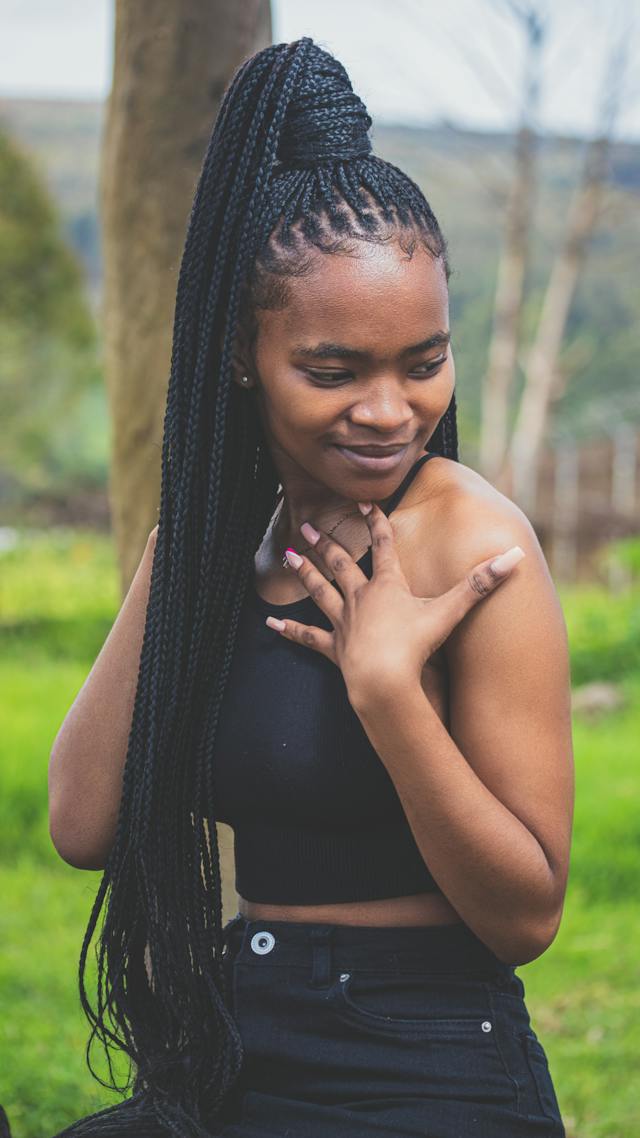
5 things not to do when wearing braids with extensions
1 - Do not wash braids frequently
Although you may not want to wash your hair with extensions, it is an important step to maintain their health and prevent the accumulation of hair products that can weaken them. Remember to wash your hair every 7-10 days using a gentle shampoo and a conditioner suitable for your hair type.
2 - Do not moisturize often
Hydration is essential to keep your hair healthy. Use an oil or a moisturizing conditioner to nourish and protect your braids.
3 - Do not sleep without a bonnet
Extensions can be very tight, and you risk damaging them if you sleep with them. Use a scarf or a bonnet to protect your hair when you sleep.
4 - Do not neglect maintenance
African braids are very beautiful, but they require regular maintenance. Remember to visit your hairstylist for check-ups and hair care every 3 to 4 months.
5 - Avoid using unsuitable products
Always use specific products for Afro hair when caring for your braids. Unsuitable products risk altering the health and appearance of your hair.
By following these tips, you can fully enjoy the benefits of African braids. Don't forget to consult your Afro hairstylist (or male Afro hairstylist) for more tips and tricks. The right hair care routine is the key to beautiful, healthy, and magnificent hair!
What are the risks of wearing African braids with extensions?
African braids are a beautiful and versatile hairstyle, but they can pose certain risks if not maintained correctly. Here are some of the most common problems associated with African braids with extensions:
Hair loss
Braids with extensions can lead to excessive hair loss if they are too tight or poorly designed. When you get your braids installed, make sure they are not too tight and that your hair is not strained.
Scalp flaking
Braids with extensions can cause redness and itching if they are poorly installed or poorly maintained. If you notice redness, itching, or excessive hair loss, consult your hairstylist immediately.
Infections
Overly tight braids can cause scalp infections if you do not clean them properly. Use a gentle shampoo and a moisturizing cream to clean your hair every 7-10 days.
In general, it is important to follow an adequate hair care routine and consult a professional to ensure the health and appearance of your hair. If you notice redness, itching, or excessive hair loss, do not delay in making an appointment with your hairstylist. Follow these tips and you can fully enjoy the benefits of your African braids!
Finally, don't hesitate to try different colors and textures of extensions to give yourself a unique look; African braids have undeniable beauty and deep historical and cultural significance.
What is your favorite hairstyle in this article?